[ Japanese ]
Biodiversity Conservation
Commitment to Biodiversity, Deforestation and Conversion Free
In our Sustainability Vision 2050*1 plan, Sekisui House has set the goal, as a challenge for 2050, of maximizing ecosystem networks through business operations. We aim not only to achieve no net loss (to maintain the value of ecosystems) but also become nature positive (to enhance the value of ecosystems through our business operations). Based on this commitment, we remain focused on the Gohon no Ki Project, a landscaping and greening project that fully considers the ecosystem, as well as FairWood sustainable wood procurement.
In particular, achieving zero deforestation in wood procurement is recognized as a pressing global issue. The goal of zero deforestation by 2030 was adopted in the 2014 New York Declaration on Forests, and at COP26 in 2021, over 140 nations, including Japan, agreed to this goal. The Sekisui House Group supports zero deforestation, which aligns with its FairWood procurement approach. As a Group-wide challenge for 2050 in Sustainability Vision 2050, it has declared its commitment to Deforestation and Conversion Free (DCF) practices. In the future, we also aim to achieve DCF throughout our primary and secondary suppliers.
Biodiversity Conservation
The Gohon no Ki Project, an eco-friendly landscaping and greening project*2
Sekisui House is Japan’s largest landscaping company, planting innumerable trees nationwide. To fulfill our responsibility as a large-scale house builder, since 2001 we have been implementing the Gohon no Ki (“five trees”) Project, an ecosystem-conscious landscaping and greening project, to conserve biodiversity through our housing business.
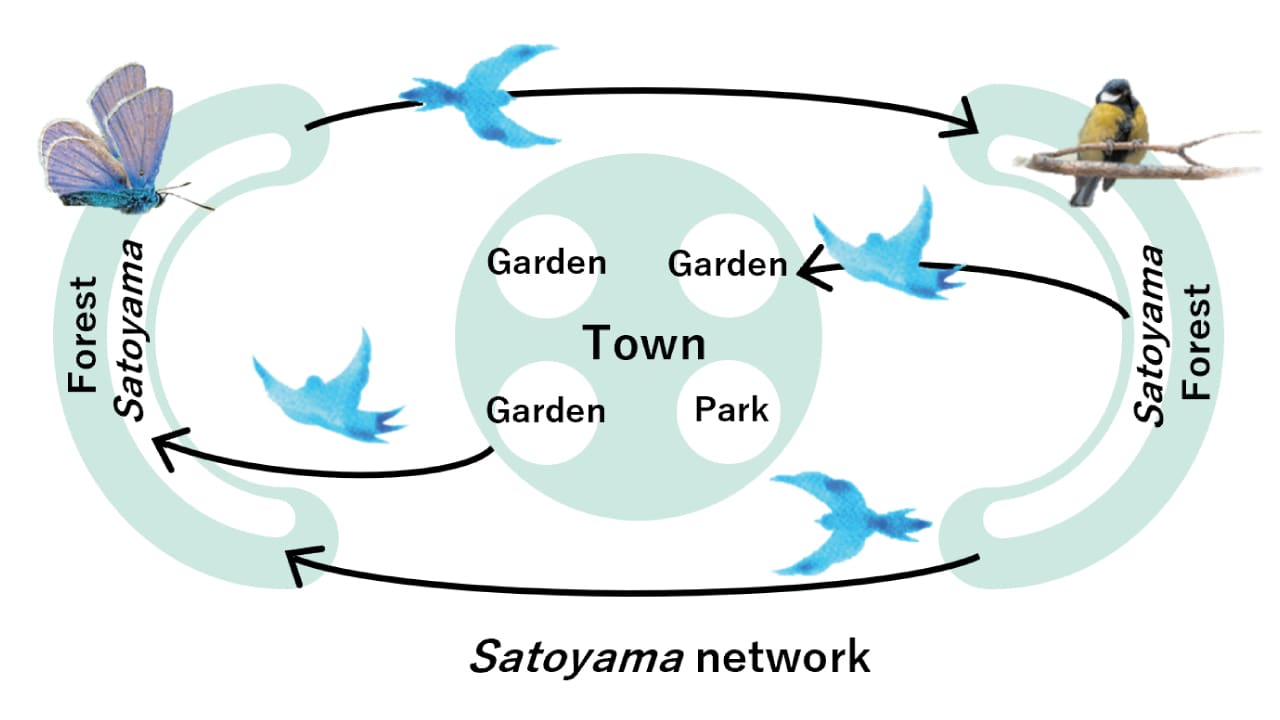
The Gohon no Ki Project is based on the approach that “three trees are for birds, two trees are for butterflies, and all are local native tree species.” The project proposes the use of native tree species that are beneficial to birds and butterflies in gardens. In addition to biodiversity conservation, we are making proposals that encompass the benefits to residents of garden visits by fauna and the other effects of garden trees. We seek to maintain and revive the ecosystem network (nature positive) by increasing the amount of richly green space in urban areas and by leveraging residential gardens, created under the Gohon no Ki Project, to support the habitat and activities of the fauna. Ecosystem networks enrich biodiversity at the regional and national levels, creating places where both wildlife and residents can simultaneously enjoy the richness of nature.
The “Five Trees Project” marked its 25th anniversary on March 1, 2026, since its launch in 2001. Thanks to the continued support and cooperation of our customers nationwide, the initiative has been steadily advanced, resulting in approximately 745,000 trees planted during fiscal year 2025 and a cumulative total of 21.43 million trees planted to date.

This new logo was created to embody our hope that each small initiative beginning with the “Five Trees Project” will gradually grow into a force that spreads greater happiness throughout society. By continuously planting greenery that harmonizes with nature, centered on native tree species rooted in local communities, we foster connections between people, nature, and local society, and pass on rich ecosystems where diverse life can thrive to future generations. These accumulated efforts support everyday life, bring vitality to communities, and circulate into happiness for the future. Our aspiration and commitment to a future in which people, nature, and communities can all thrive together are entrusted to this logo.
Biodiversity Conservation through Landscaping and Greening Projects
| Boundary | Unit | FY2023 | FY2024 | FY2025 | Targets | |
|---|---|---|---|---|---|---|
| Biodiversity-friendly tree planting | Sekisui House, Ltd. | Thousand trees | 19,840 | 20,691 | 21,436 |
22,000 (FY2025) |
Evaluating effectiveness quantitatively using big data*3 on biodiversity
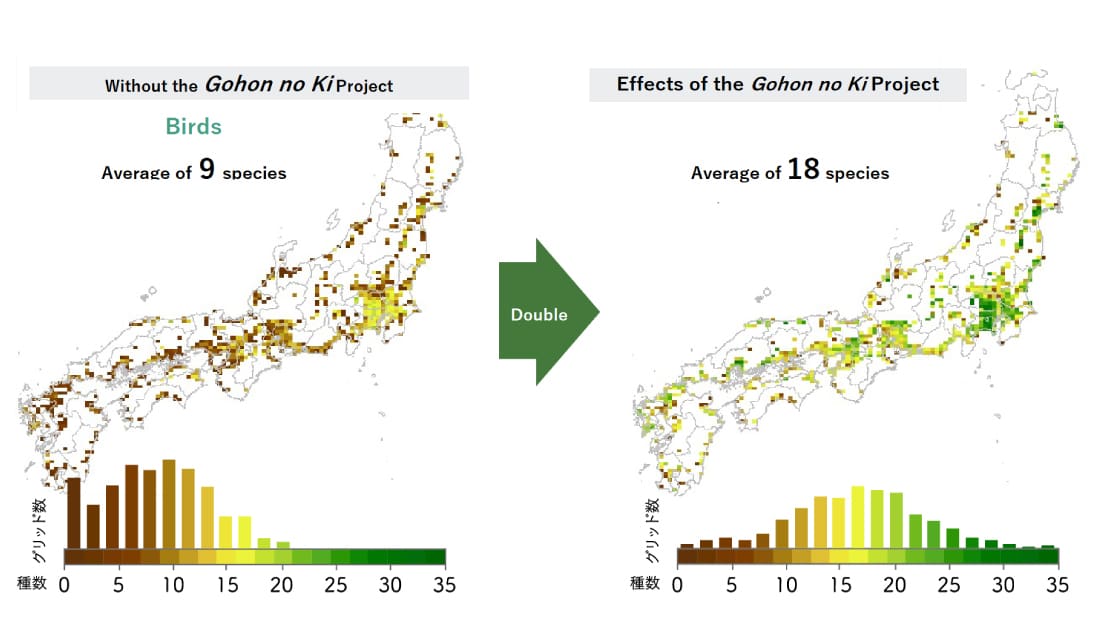
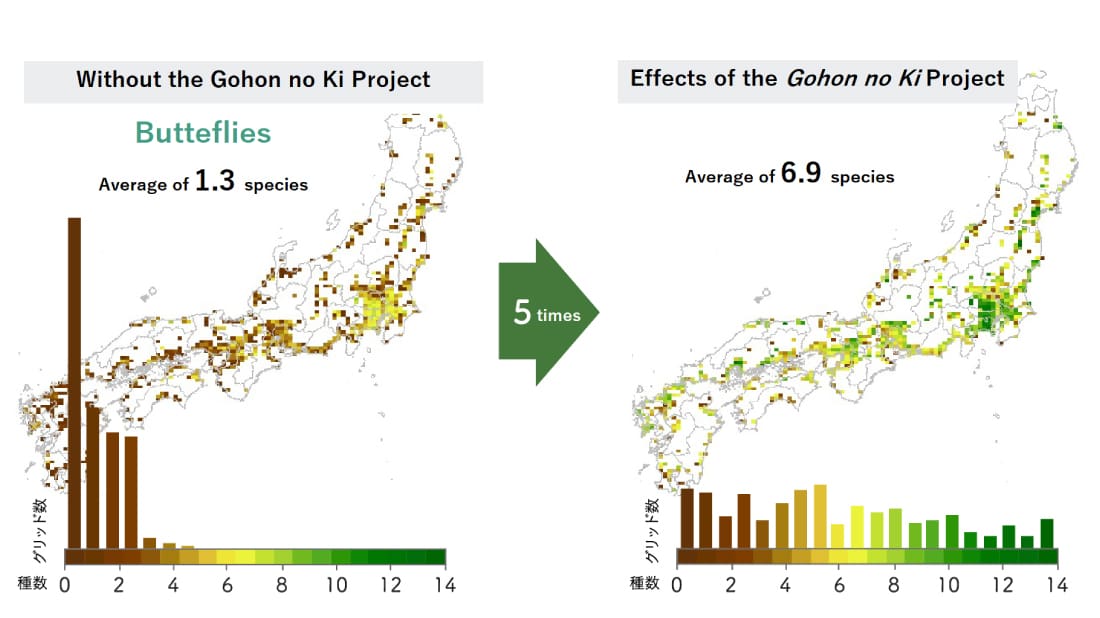
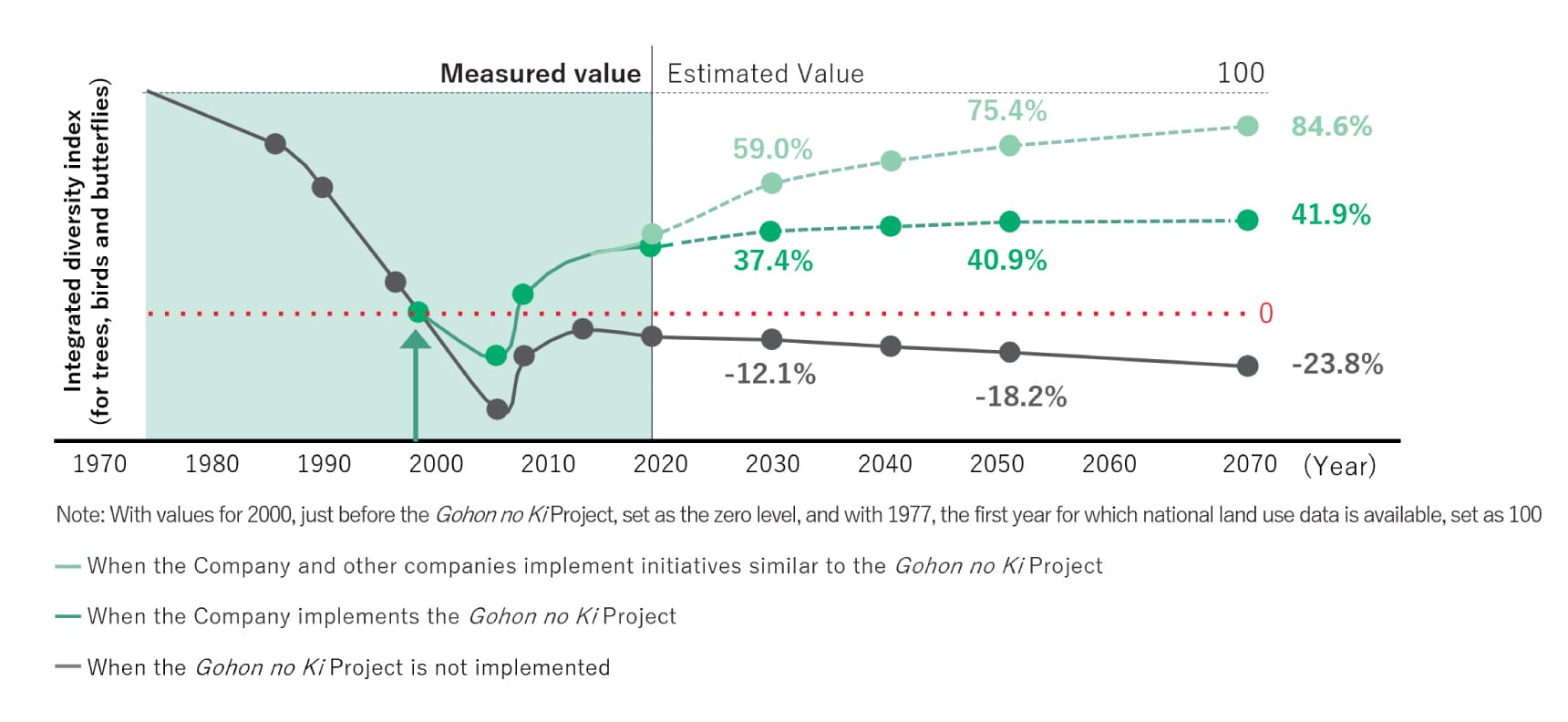
In 2019, to comprehensively evaluate small green spaces scattered across Japan that could not previously be assessed, we worked with the Kubota Laboratory in the Faculty of Science of the University of the Ryukyus to start a joint verification analyzing the effectiveness of quantitative assessments of biodiversity conservation from a macro perspective. Using the big data on biodiversity from Think Nature Inc. in addition to cumulative data on the number, species, and location of trees planted by the Company, in 2021, this analysis made it possible to quantitatively express the effect of the Gohon no Ki Project on biodiversity in terms of the number of bird and butterfly species being attracted to residential areas. We also quantitatively evaluated the effectiveness of restoring biodiversity in Japan’s three largest metropolitan areas (Tokyo, Osaka, and Nagoya) using an integrated diversity index and conducted simulations to assess the effect of continuing the Gohon no Ki Project through 2070.*4 The results showed that the Gohon no Ki Project contributes to the restoration of biodiversity, and that the potential benefits can be amplified by expanding the project in the future. We will widely disclose not only the results of these assessments, but also the expertise we have accumulated through our activities over the past 20 years, and will continue to work with many companies and individuals to promote nature positive initiatives.
In July 2023, to further accelerate the Company’s efforts in biodiversity conservation, we have entered into a collaborative agreement⁵ with Think Nature Inc. to promote biodiversity net gain and the standardization of its calculation methods.*5 In June 2024, we launched a pilot version of the “Biodiversity Visualization Tool,”*6 a jointly developed system designed to recommend trees that help maximize biodiversity conservation in customers’ gardens. We will accelerate our efforts aimed at our 2030 nature positive initiative while improving the quality of our ecosystem-friendly Gohon no Ki Project.
*3 A dataset covering over 150 natural capital and ecosystem services, including the importance of biodiversity based on distribution data of over 300,000 different terrestrial and marine species.
*4 News release: 20 Years of Urban Biodiversity Conservation with Customers through the Gohon no Ki Project (Japanese only)
*5 News release: Sekisui House and Think Nature Inc. Begin Collaborative Agreement Aimed at Promoting Biodiversity Net Gain (Net Increase) and the Standardization of Calculation Methods (Japanese only)
News release: Sekisui House and Think Nature Jointly Develop and Launch Pilot Version of Biodiversity Visualization Tool – Visualizing Nature-Positive Effects in Residential Landscaping (Japanese only)
*6 Biodiversity Visualization Tool: In line with the start of operation at nationwide business offices from April 2026, we changed the name of the tool to the “Gohon no Ki Compass” to guide us toward a nature-positive future.
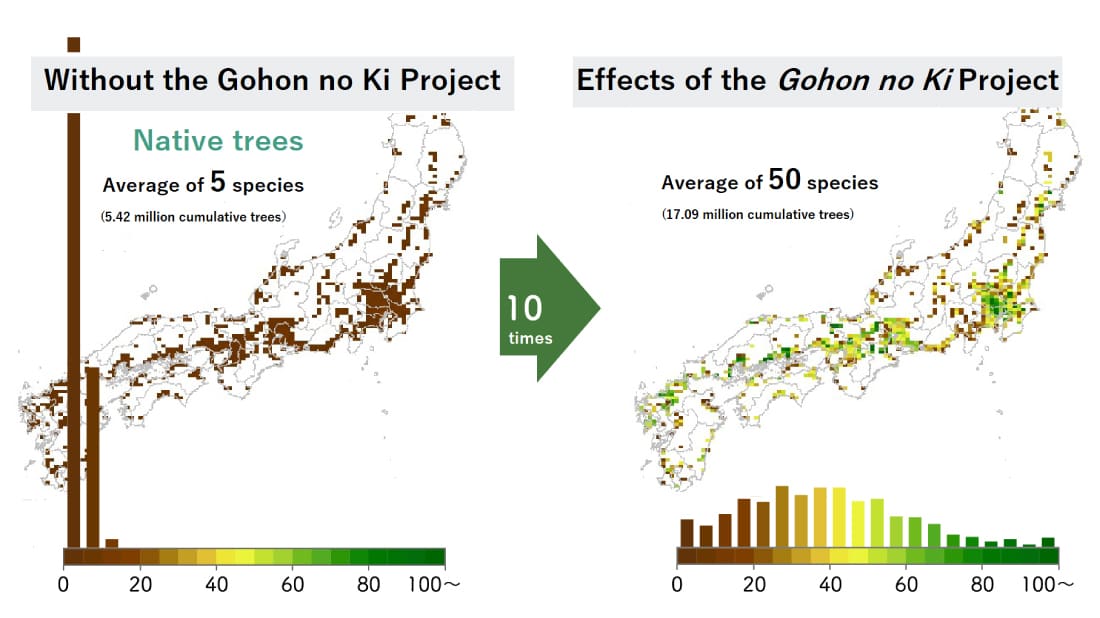
Effects of the Gohon no Ki Project
Project has achieved aTenfold increase in tree species that are the foundation of biodiversity
Results of big data analysis: Effect on birds
Gohon no Ki has the effect of attracting about Twice as many bird species to residential areas
Results of big data analysis: Effect on Butterflies
Gohon no Ki has the effect of attracting nearlyFive times as many butterfly species to residential
Quantitative evaluation of nature positive effects
Simulation of changes through 2070 in three metropolitan areas (Tokyo, Nagoya, and Osaka) where green space degradation is significant
Urban greening
Big data on biodiversity has revealed that urban areas with densely packed houses and a large number of people are just as important to biodiversity conservation as forests and satoyamas (the traditional Japanese rural landscape consisting of cultivated fields, forests, and human settlements that are interconnected and coexist harmoniously). It is important to create high quality green spaces in urban areas where the available area is scarce. The Company has created high-quality green spaces that significantly impact biodiversity conservation efforts through its Gohon no Ki Project, a project focused on planting native tree species. To accelerate initiatives throughout the industry, in September 2024, we conducted a joint evaluation with Asahi Kasei Homes Corp. and Daiwa House Industry Co., Ltd. on the effectiveness of biodiversity conservation in urban environments using native tree species. The evaluation was based on the analysis of Think Nature Inc., and the results showed that each greening concept successfully restored the multifaceted elements of biodiversity.
Greening and environmental conservation in condominiums for sale and urban development projects
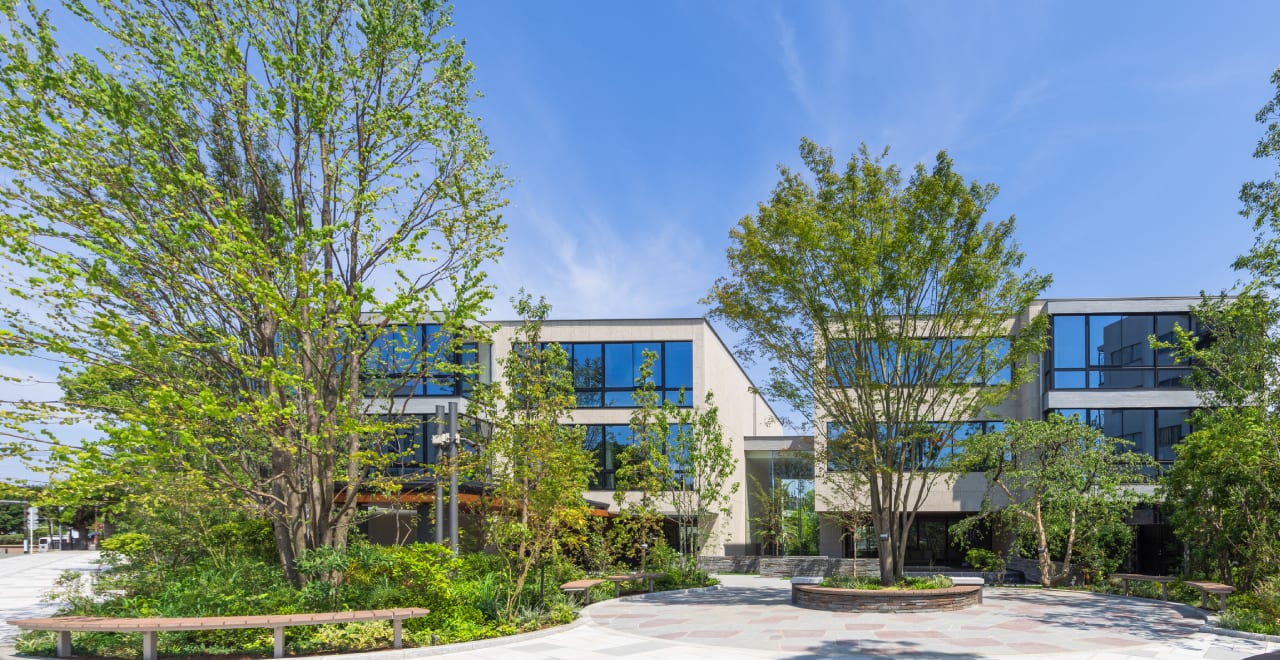
GRANDE MAISON The YAMATE Project
In the condominium for sale segment, we are utilizing the principles of the Gohon no Ki Project for property exteriors. In our GRANDE MAISON*7 condominium brand, we maintain a constant awareness of greening, with a target green coverage ratio (the percentage of the property’s site area that is planted) of around 20% or more. The average green coverage of the 12 condominiums completed in FY2025 was 15.7%, representing green coverage of 6,871 m².
GRANDE MAISON The YAMATE Project, which soughtto carry the traditions and nature of Yokohama Yamate into the future, was led by the Tokyo Condominium Department of Sekisui House. The development comprises a group of low-rise condominiums (six buildings, 74 units) that prioritize coexistence with surrounding nature while ensuring harmony with the historical streetscape of the Yokohama Yamate area. The site plan adopted the Gohon noKiProject andinvolved the planting oftrees inconsideration oflocal ecosystems. We created a richgreen space used by birds,butterflies, and other native species, and have contributed to the preservation of biodiversity. Afront garden and outdoor benches ensure a space that is open and welcoming to visitors, forming a new localstreetscape that coexists with surrounding nature. We paid careful attention to the scale of the buildings and selection of building materials, ensuring to recreate the character of the former Yamate when it was home to Western-style residences. Based on respectfor history and a love forthe local area, our aim was to create a regional asset that would continue to be loved forthe next 100 years. The project received wide acclaim and won the Good Design Award in 2025. Based on its ESG management philosophy, Sekisui House will continue to promote urban development that coexists with nature.
Urban development under the concept of keinen bika— creating a landscape that grows more beautiful over time
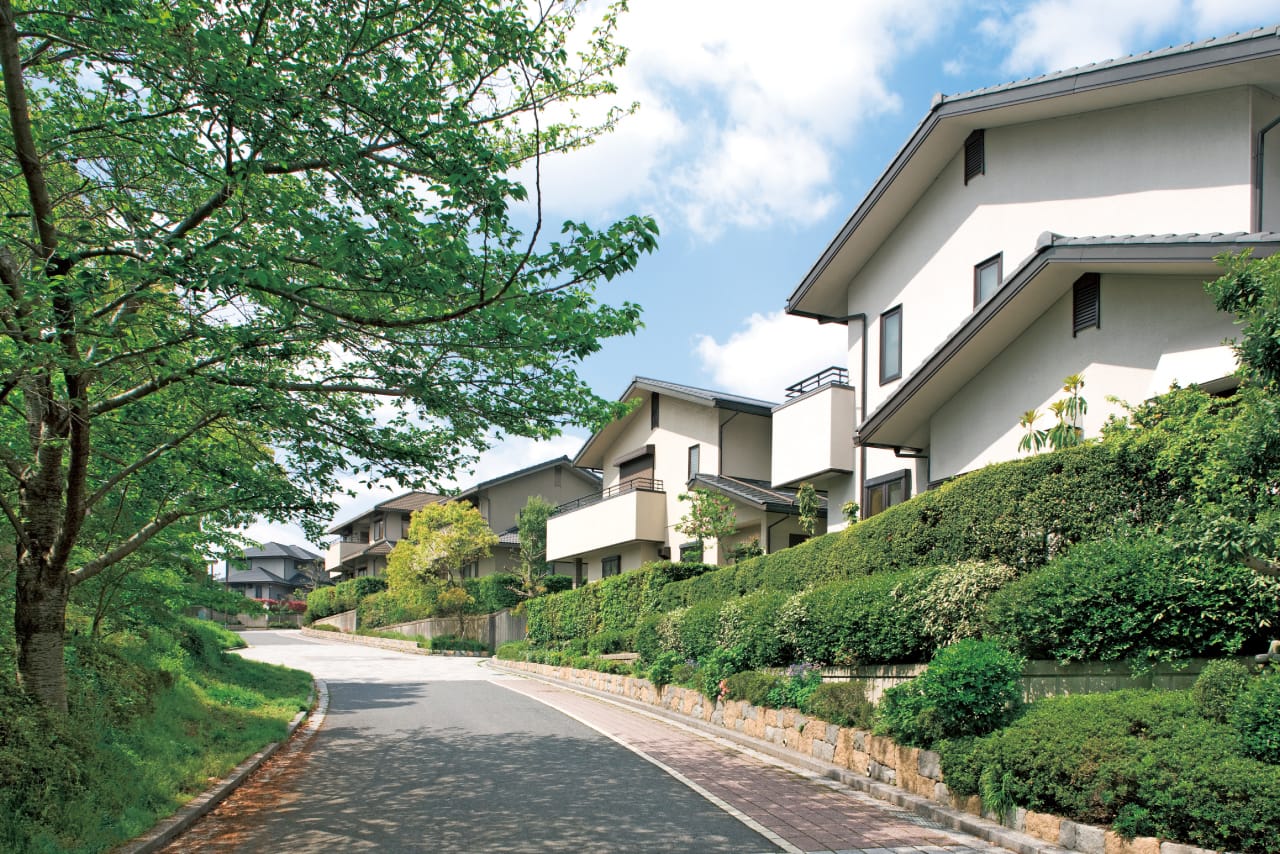
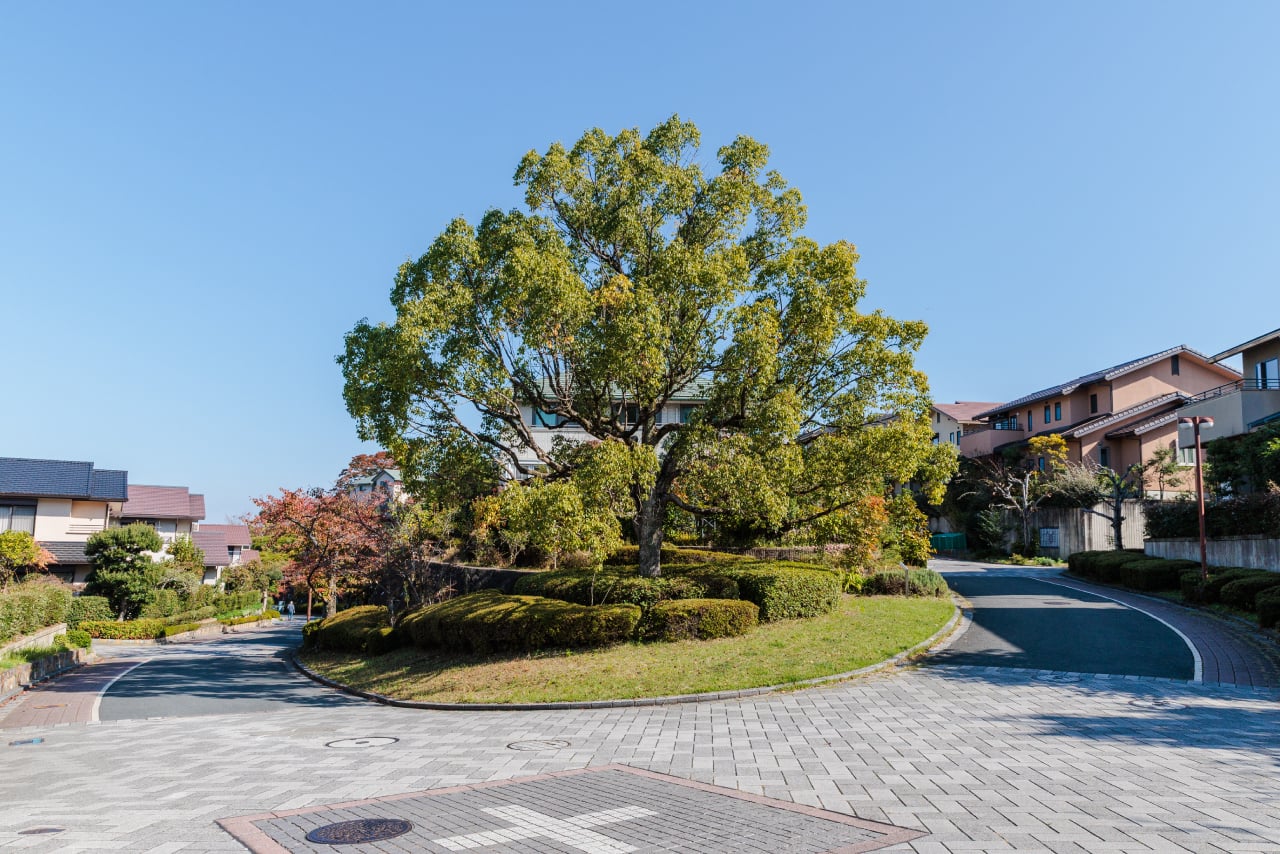
Common City Hoshida,
Since launching the Gohon no Ki Project in 2001, we have been promoting urban development that emphasizes the quality of greenery, keeping in mind the planting of native species in consideration of a healthy ecosystem. In 2005, we established the Urban Development Charter,*8 which outlines our diverse expertise cultivated through urban development, such as that acquired through the Gohon no Ki Project, with adherence to the concept of sustainability.
“Common City Hoshida,” developed in the birthplace of the Tanabata legend in Katano City, Osaka Prefecture, opened in 1991 as a large-scale subdivision that remains a big part of Sekisui House’s history. Covering a total of 25.6 hectares with approximately 840 units, the urban development project was part of Osaka Prefecture’s first ever development competition, and incorporated initiatives that were innovative at the time including underground power lines and greening. The landscape is in harmony with nature of the four seasons and is growing more beautiful over time, which is maintained to date by the locally led Building Agreement Committee and the Landscape Preservation Committee. From the Fureai Plaza, the Sekisui House Group continues to collaborate with the community association and participate in local events. In recent years, we have enhanced our local interaction to include everything from housing consultations to sharing local history through Hoshida 10 Days and the Common City Hoshida Café. In this community, which embodies the Gohon no Ki Project and the Group’s commitment to protecting ecosystems, biodiversity, and coexistence with nature, the Sekisui House Group is working with locals to promote activities for the future of this mature community.
Commitment regarding greenfield development
The Tama New Town Higashiyama subdivision (Hachioji, Tokyo) is an example of greenfield development. For this project, we are advancing environmental assessments with due consideration to the preservation and nurturing of the local ecosystem in line with the commitments of the Company’s Urban Development Charter, which states that “We will preserve existing woodlands and transplant trees that cannot be kept in place” and “Even small saplings will be saved and planted in various locations around town.
”Even when it comes to land within a greenfield, selections are made where residential land development is possible in line with Company standards, and we encourage urban development in accordance with the Gohon no Ki Project, taking the local ecosystem and environment into consideration.
Sustainable Wood Procurement
Wood Procurement Policy and Wood Procurement Guidelines
Since establishing the ahead-of-the-curve Wood Procurement Guidelines in 2007, Sekisui House has promoted the procurement of FairWood, a sustainable source of wood. To better clarify our stance, we announced updates to our Wood Procurement Guidelines and creation of the Wood Procurement Policy on August 1, 2025.
The Wood Procurement Policy not only advances FairWood procurement as previously stated but also reaffirms our stance on working to achieve Deforestation and Conversion Free (DCF) by 2030 and tolerating absolutely no human rights violations. In line with this, the ten Wood Procurement Guidelines have been revised to use more specific terminology such as “Deforestation and Conversion Free (DCF)” and “respect for the free, prior and informed consent (FPIC)*9 of indigenous peoples.”
FairWood is defined as wood that is not only legal, but also contributes to sustainability and local development. We have declared FairWood procurement as a priority in our Wood Procurement Guidelines, and we are working to improve our level of procurement while engaging with FoE Japan and other international environmental NGOs and industry organizations. For example, we are constantly working with environmental NGOs to obtain the latest information on high-risk areas and update our risk assessment methods.
One objective of FairWood procurement is to secure a stable supply of sustainable and renewable resources for the Company. Another objective is to achieve a positive impact through sustainable forestry management that goes beyond avoiding illegal logging by continually working on our supply chain as one of Japan’s leading wood consumers. This also aligns with our biodiversity conservation challenge goal of “maximizing ecosystem networks through our business.”
*9 FPIC(Free,Prior Informed Consent)
The three fundamental policies of the Wood Procurement Policy (Amended August 1, 2025)
- We strive to practice environmentally friendly, socially fair procurement of FairWood.
- We commit to achieving Deforestation and Conversion Free (DCF) sourcing by 2030,using 2020 as the cut-off date*10.
- We do not tolerate conflicts or human rights abuses anywhere in our supply chain.
The ten Wood Procurement Guidelines (Amended August 1, 2025)
- Source wood products with guaranteed legality and a supply chain that can be traced back to the logging site for due diligence processes, etc.
- Source wood products produced without damaging high conservation values (HCVs).
- Do not source wood products from areas where the logging of natural forests causes biodiversity loss or deforestation.
- Do not use endangered species for wood products.
- Minimize CO2 emissions when producing, processing, and transporting wood products.
- Respect the free, prior, and informed consent (FPIC) of indigenous peoples and source wood products from supply chains that do not involve conflicts or human rights abuses.
- Source wood products from areas of controlled logging, so as not to exceed the rate of forest regeneration
- Source wood products from domestic forests where well-planned forest management is in place to conserve ecosystems.
- Source wood products from forests that are managed so as not to damage high carbon stock (HCS) forests or lead to forest conversion.
- Source wood building materials that contribute to resource recycling and cascading use.
*10 Cutoff Date: A base date from which deforestation and ecosystem conversion are not permitted. Any deforestation or ecosystem conversion beyond this date would be inconsistent with our policies and targets.
Wood procurement risk survey and risk assessment
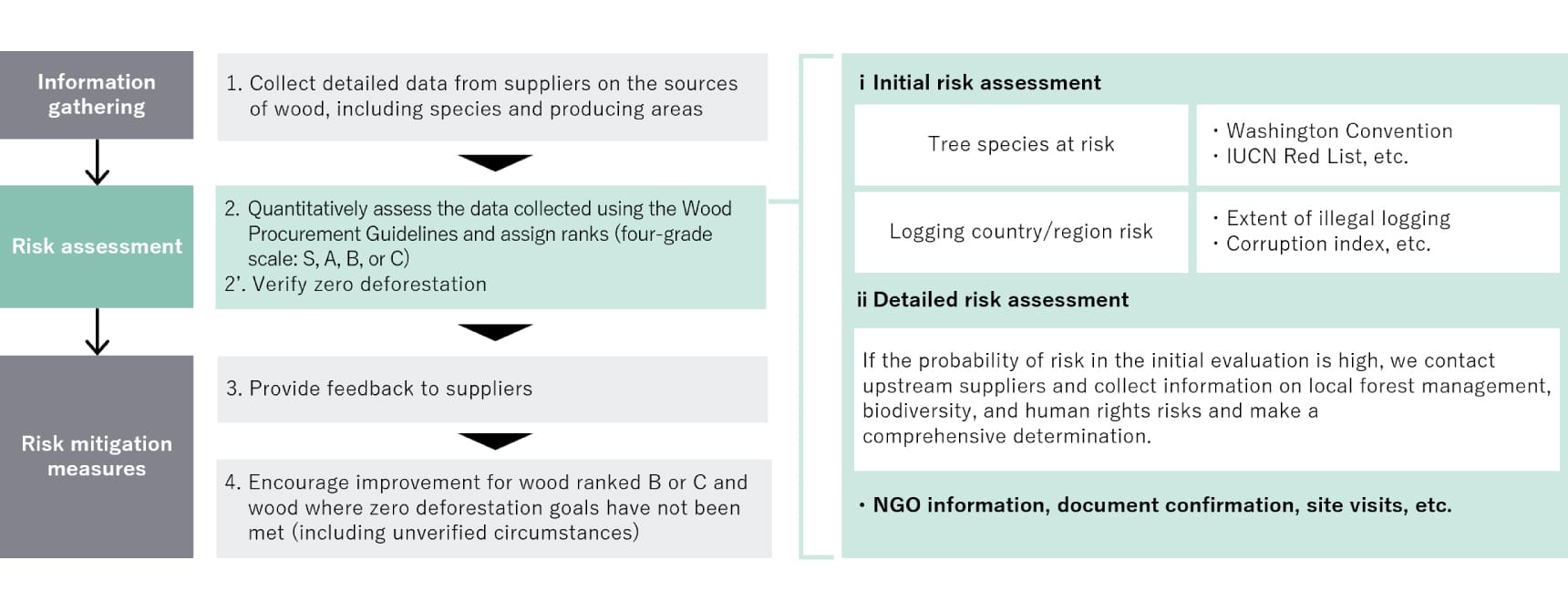
Sekisui House implements a wood procurement survey of its major wood suppliers (roughly 60 companies) according to the following process. Since FY2025, we have explicitly stated in our Wood Procurement Policy and Wood Procurement Guidelines our goal of Deforestation and Conversion Free (hereinafter “DCF”) and have added a new KPI regarding the rate of DCF at our logging areas. The ratio of Rank S and Rank A*11 wood has been gradually increasing from 47% before the guidelines were implemented in FY2006, reaching 97.1% in FY2025. The rate of DCF has reached 95.7%.
For existing suppliers whose evaluation results according to the Wood Procurement Policy reveal environmental risks, we conduct thorough due diligence*12 by continuous monitoring of evaluation standards and the achievement of those standards.In the event that a serious risk is discovered in the due diligence process, we work with the related divisions to determine the proper remedial action and take measures that could include cutting back on transactions with the supplier, depending on the score in the supplier assessment. No suppliers were deemed high-risk in FY2025.
*11 Depending on our Wood Procurement Guidelines, purchased wood products are classified into four levels, from high to low: S, A, B, and C. Out of a maximum score of 43, S rank is given to scores of 34 and above, A to 26 or more, B to 17 or more, and C to scores below 17. Minimal acceptable score thresholds are set for Wood Procurement Guidelines 1. and 4. which are especially high priority. We aggregate and disclose these scores as part of efforts to achieve net positive impact and no net loss.
*12 Due diligence is the duty of care and effort that companies and others must apply as a matter of course. In Japan, the Act on Promotion of Use and Distribution of Legally-harvested Wood and Wood Products (commonly known as the Clean Wood Act) refers to due diligence, and was enacted in response to the tightening of regulations on the handling of illegally harvested timber in Western countries. This is represented by a process of identifying risks of illegality by 1. collecting information, 2. assessing risk, and 3. practicing risk mitigation. A growing number of companies are currently practicing due diligence in wood procurement while also addressing ESG-related risks.
Annual Due Diligence Wood Procurement Risk Survey Process
Biodiversity Conservation in Wood Procurement
| Unit | FY2023 | FY2024 | FY2025 | Targets | ||
|---|---|---|---|---|---|---|
| Volume of wood procured | ㎡ | 237,061 | 230,691 | 226,471 | ー | |
| Sustainable wood procurement rate(% that is ranked S or A) | % | 97.2 | 97.1 | 97.1 |
97.5 (FY2025) |
|
| Rate of Deforestation- and Conversion-Free (DCF) *13 | % | 89.8 | 92.5 | 95.7 |
93.0 (FY2025) |
|
| Percentage of wood procured by region | Domestic wood | % | 26.12 | 28.37 | 31.51 | ー |
| East Asia*14 | 7.54 | 8.06 | 7.96 | ー | ||
| Europe | 33.55 | 31.67 | 32.43 | ー | ||
| South Pacific*15 | 12.75 | 12.31 | 11.60 | ー | ||
| North America | 9.59 | 7.73 | 4.55 | ー | ||
| Recycled wood*16 | 10.18 | 11.70 | 11.78 | ー | ||
| Other*17 | 0.27 | 0.15 | 0.17 | ー | ||
*13 As a non-indicator-based target, in line with international sustainability standards and stakeholder expectations, we have moved away from the previous rate of zero deforestation in our Wood Procurement Policy to a new KPI: the rate of Deforestation and Conversion Free (DCF) in natural forests in 2030. This KPI has been in place since FY2025 and we continue to manage its progress.
*14 Excluding Japan
*15 Indonesia, Malaysia, etc.
*16 Particle board and other building materials recycled from construction waste, etc.
*17 Africa, etc
Practicing due diligence in procurement
To us, due diligence is the process of securing sustainable timber that supports the future of our business, and we implement sustainable wood procurement through strict due diligence(hereinafter referred to as “DD”) practices. Many companies conduct DD only for low-risk timber from primary suppliers. In contrast, we also target suppliers at the secondary level and further upstream, visiting logging areas to investigate and confirm the status of operations when risks that cannot be simply eliminated are identified. This is because we believe it is important to share the tracking process with suppliers and strive for ongoing improvement in order to meet growing international calls for Deforestation and Conversion Free (DCF).
Conducting onsite due diligence overseas
Conducting onsite DD in high-risk areas of wood procurement is both effective in achieving Deforestation and Conversion Free (DCF) and zero human rights violations in our Wood Procurement Policy and for strengthening engagement between various stakeholders such as suppliers and environmental NGOs. In FY2025, we conducted due diligence of raw materials for interior components in Thailand and Vietnam, following due diligence conducted in Indonesia in FY2024. During this visit to logging sites and manufacturing plants for raw materials, we confirmed that our procurement practices do not contribute to deforestation and land conversion. We additionally held interviews regarding human rights violations in the supply chain and confirmed that no such violations were taking place.
Acquiring forest certifications (CoC certification)
The Company uses forest certification systems as one method to advance FairWood procurement and the Production and Procurement Division has acquired FSC*18, PEFC*19, and SGEC*20 CoC certifications.
Details of certification (FSC certification, FSC-C195799)
|
Certified organizations |
Production and Procurement Headquarters, Tohoku Factory, Kanto Factory, Shizuoka Factory, Yamaguchi Factory |
|---|---|
| Certification code | SGSHK-COC-350922 |
| Date of certification | January 19, 2024 |
| Certification Body | SGS Hong Kong |
*18 FSC (Forest Stewardship Council): an international nonprofit organization with the goal of increasing the global responsibility of proper forest management
Details of certification (PEFC certification)
|
Certified organizations |
Production and Procurement Headquarters, Tohoku Factory, Kanto Factory, Shizuoka Factory, Yamaguchi Factory |
|---|---|
| Certification code | FAM-PEFC-COC-039 |
| Date of certification | May 15, 2022 |
| Certification Body | Forest Audit of Mori |
*19 PEFC: Programme for the Endorsement of Forest Certification Schemes, an international certifying agency that engages in global certification systems and mutual recognition based on governmental standards set in place for sustainable forest management.

Details of certification (SGEC certification)
|
Certified organizations |
Production and Procurement Headquarters, Tohoku Factory, Kanto Factory, Shizuoka Factory, Yamaguchi Factory |
|---|---|
| Certification code | FAM-SGEC-COC-039 |
| Date of certification | May 15, 2022 |
| Certification Body | Forest Audit of Mori |
*20 SGEC: Sustainable Green Ecosystem Council was established as Japan’s unique forest certification system, providing mutual recognition with PEFC since 2016.
Supply chain engagement
To ensure broad understanding among internal and external stakeholders of the “Wood Procurement Policy” and the “TWood Procurement Guidelines,” which were revised in fiscal 2025, we held briefing sessions in August 2025. A total of 67 supplier companies, with whom we are working together toward achieving our goals, participated in these sessions.
We invited a lecturer from the international environmental NGO Friends of the Earth Japan (FoE Japan) to give a keynote speech sharing the latest information on wood procurement. Two of our suppliers shared examples and all parties involved gained a deeper knowledge of the Company’s policies and guidelines.
As we work together with our suppliers to achieve the goals of our FairWood procurement policy, we often face challenges that are difficult to resolve through supply chain management methods alone, including those related to due diligence. In response to such challenges, we take a cross-organizational approach with our suppliers, engaging in technical discussions—such as exploring the possibility of switching to materials that meet due diligence standards—as part of our efforts to achieve our targets.
Other Initiatives
Corporate green space that can contribute to biodiversity and obtaining Nationally Certified Sustainably Managed Natural Sites certification
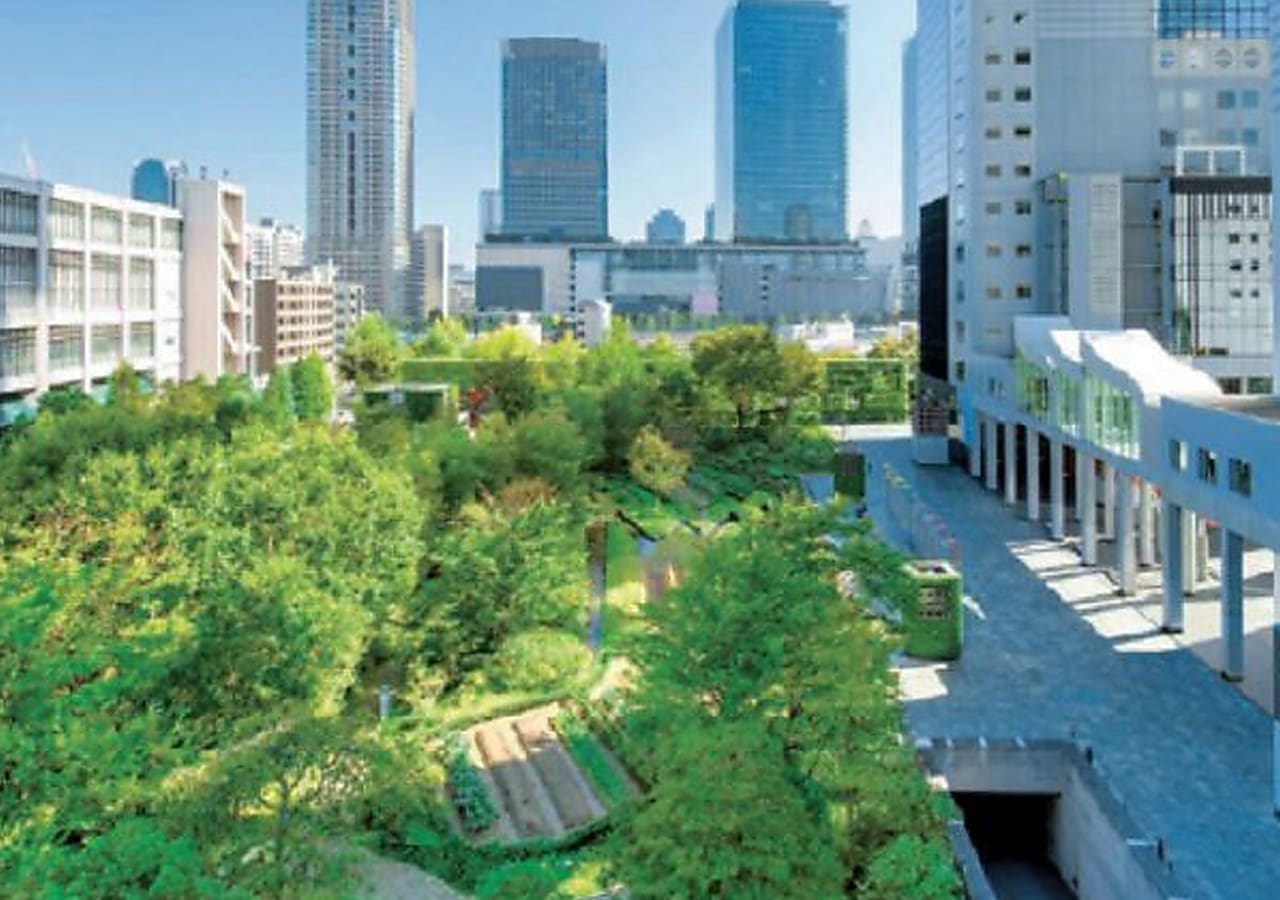
Westward view of Shin-Satoyama and the Wall of Hope
On the north side of the Umeda Sky Building in Kita-ku, Osaka, where Sekisui House is headquartered, we created the Shin-Satoyama Garden covering 8,000 m². This garden was renovated in 2006 with more than 500, mainly medium to large native trees, based on the principles of the Gohon no Ki Project. We planted native Japanese tree species and more than 200 species of shrubs and flowers to create green spaces. In the belief that a variety of types of spaces supports the richness of an ecosystem, we provided various types of landscapes, including terraced rice paddies and fields to reproduce a satoyama in the city center. The growth of a wide variety of plants has increased the amount of greenery, and many creatures—including more than 40 species of wild birds and more than 50 species of butterflies—visit, live, and grow in the garden. The arrival of birds of prey, which are rarely seen in the city, has also been confirmed.
We are mindful of the ecosystem not only in planning but also in terms of management. For example, instead of employing the conventional consumption-oriented management approach of removing weeds and fallen leaves immediately, natural low-load circulatory management has been adopted for the satoyama to enrich the soil organisms and broaden the food chain. In this way, we have created a green space where many creatures can now thrive.
Additionally, in 2013, we completed the “Wall of Hope,” a huge greening monument on the east side of Shin-Satoyama measuring 9 meters high and 78 meters long that was installed at the initiative of the renowned architect Tadao Ando. In order to function as a model for the kind of vertical spatial greening that is expanding in cities, we covered the green wall with more than 20,000 plants of about 100 diverse species, focusing mainly on the tree species selected for the Gohon no Ki Project. The strategic arrangement of plants that flower or change colors at different times allows visitors to enjoy the varied appearance of the garden as it changes with the seasons.
The Shin-Satoyama project has become familiar to nearby residents and office workers as a place where one can experience the true value of the ecosystem.
In October 2023, Shin-Satoyama was certified as a Nationally Certified Sustainably Managed Natural Site.*21 Then, in September 2024, the Comprehensive Housing R&D Institute and the adjoining experiential housing museum Tomorrow’s Life Museum (Kansai location), jointly received the same certification. These two certified green spaces have been registered in the World Database as Other Effective area-based Conservation Measures (OECMs)*22 In March 2025, Shin Umeda City, which boasts the Shin-Satoyama biodiversity garden, was awarded the highest Triple Star rating by TSUNAG*23. These certifications affirm that the Gohon no Ki Project is contributing to biodiversity through corporate green spaces and is also an initiative that will also help us in achieving Japan’s 30by30 target.
*21 Nationally Certified Sustainably Managed Natural Sites: The Kunming-Montreal Global Biodiversity Framework, a new set of global goals to be achieved by 2030, was adopted at the 15th Conference of the Parties to the Convention on Biological Diversity (CBD-COP15) in December 2022. Among them was the 30by30 target, setting the goal to effectively preserve 30% or more of all land and sea as healthy ecosystems. The initiative in Japan to achieve this goal is referred to as a Nationally Certified Sustainably Managed Natural site (areas where biodiversity is being pursued through private-sector efforts and certified by the Ministry of the Environment)
*22 OECMs (Other Effective area-based Conservation Measures): Other effective area-based conservation measures, which differ from legally designated public protected areas. Public protected areas such as national parks, which are established on national land under national leadership, are a form of land-sparing conservation, in which land is secured exclusively for conservation. However, when designating more than 30% of national land as protected area, it will inevitably involve both national land and private land, making it difficult to use land exclusively for conservation and implement restrictions on private rights. For example, it is not realistic to abandon forest or agricultural land and designate it as a protected area, or to expropriate private land in urban areas and designate it as a protected area. This is why land-sharing conservation that seeks to combine conservation with different land and marine use is garnering attention.
*23 TSUNAG-Certification System for Securing Quantity and Quality Urban Green Space: A system under the Urban Green Space Conservation Act, in which the Minister of Land, Infrastructure, Transport and Tourism assesses and certifies the quantity and quality of greenery secured through private-sector initiatives. Launched in 2024, the system was created to encourage private-sector efforts in green space development and improve urban environments, against the backdrop of Japan’s relatively scarce (and declining) urban greenery, relative to other countries, even amid growing expectations for functional green spaces.
Domestic wood initiatives at Sekisui House
Looking at the forest industry in Japan, while many forests are entering a period of full-scale use, they are not being fully utilized for a number of reasons, and are not being replanted for the next generation.
To revitalize the domestic forest industry, we believe it is necessary to achieve the goals of both increasing demand to promote the renewal of forests for the next generation and advancing branding to create added value. Therefore, we have started using domestic timber, mainly for the structural materials in our SHAWOOD wooden-frame houses.
We do not simply use domestic timber, but also develop it as regional brands. By adopting materials from the regions where our customers live, we are contributing to local production for local consumption and the revitalization of regional economies.
Currently, we are developing cedar, cypress, and larch products, with over 8,500 buildings having been built with these materials. These products have grown to the point where they are an essential element of SHAWOOD. In addition, the Company utilizes forest certification to support the promotion and expansion of certified forest products in Japan. In FY2024, we also joined the Forest Certification Promotion Council.
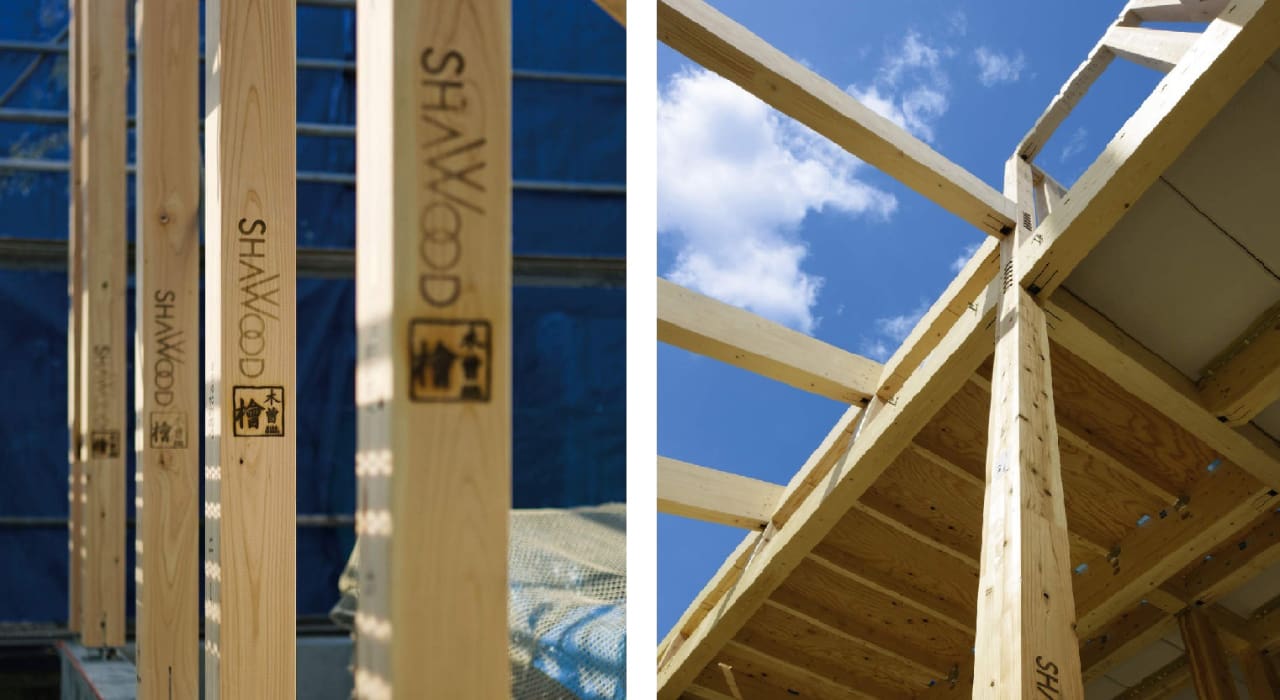
SHAWOOD posts bearing the brand of the producing area
Participating in initiatives
We have been an early participant in the global movement for biodiversity conservation. At the 9th Conference of the Parties to the Convention on Biological Diversity (COP9) in 2008, we were one of the nine major Japanese companies to sign the Leadership Declaration of the Business and Biodiversity Initiative.
As a founding member of this initiative, we agreed to the three objectives of the Convention on Biological Diversity (conservation of biodiversity, sustainable use of biodiversity components, and fair and equitable distribution of the benefits of genetic resources), and we continue to promote biodiversity conservation*24 under this policy in our business operations. We have also endorsed the goals of the Taskforce on Nature-related Financial Disclosures (TNFD), which was launched in June 2021. We then joined the TNFD Forum in February 2022 and in January 2024 were recognized as a TNFD Early Adopter. In addition, we are part of the 30by30 Alliance, which was launched with the aim of achieving the global 30by30 target*25 adopted at the 15th Conference of the Parties to the Convention on Biological Diversity (COP15), and we are proactively cooperating with Nationally Certified Sustainably Managed Natural Sites*26 with the aim of achieving OECM*27 registration.
These initiatives are led and promoted by the Environmental Subcommittee, in cooperation with each department as well as domestic and overseas Group companies, based on the ESG management promotion structure.*28 We also ensure that all employees understand and are familiar with these initiatives through progress reports, feedback on issues, and proposals for improvement.
*24 Commitment to Biodiversity, Deforestation and Conversion Free
*25 30by30 is an international initiative to effectively conserve at least 30% of the Earth’s land and ocean area as sound ecosystems by 2030 with the nature-positive goal of halting and reversing biodiversity loss by 2030.
*26 Ministry of the Environment’s “Nationally Certified Sustainably Managed Natural Sites” (Japanese only)
*27 Other effective area-based conservation measures, an approach to designating areas that contribute to biodiversity conservation outside of protected areas.
*28 ESG Management Promotion Structure